Oklahoma Enacts Major Data Privacy Law: What SB 546 Means for Residents and Businesses
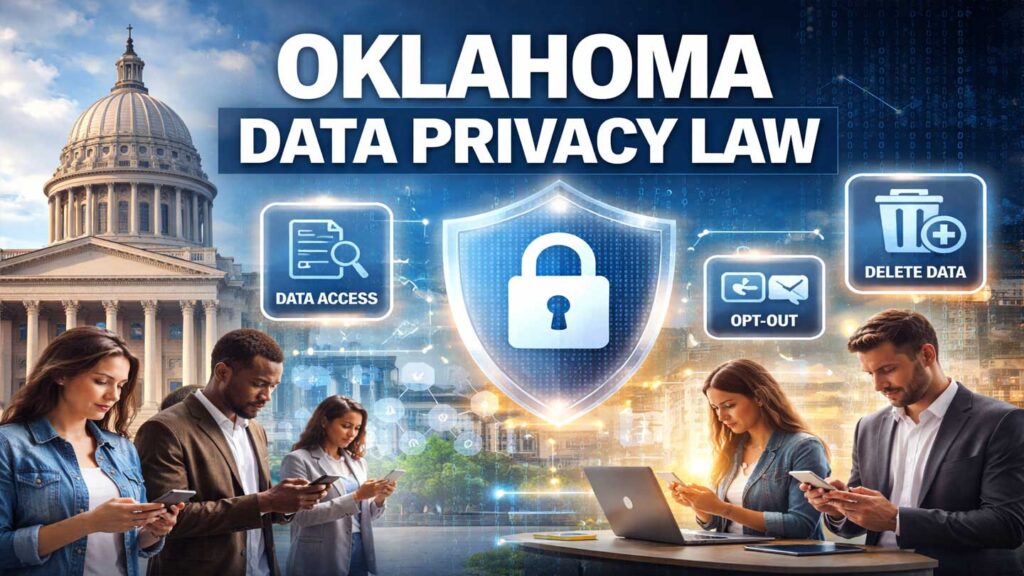
Oklahoma Enacts Major Data Privacy Law
Oklahoma Enacts Major Data Privacy Law: What SB 546 Means for Residents and Businesses
OKLAHOMA CITY, Okla. — In a move that signals a major shift in how personal data is handled across the state, Oklahoma leaders have officially signed Senate Bill 546 (SB 546) into law on March 23, 2026. The legislation introduces sweeping new protections for consumer data and places new responsibilities on businesses that collect and use personal information.
This marks one of the most significant consumer protection laws passed in Oklahoma in recent years—and its impact will be felt statewide.
🏛️ What the New Law Does
SB 546 is designed to give everyday Oklahomans more control over how their personal data is collected, stored, and used. Under the new law, residents will gain several key rights:
- Access to Personal Data – Individuals can request to see what data companies have collected about them.
- Right to Delete Information – Consumers can request that companies delete their personal data.
- Opt-Out Options – Oklahomans can choose to opt out of:
- Data sales
- Targeted advertising based on personal behavior
These rights are similar to laws already in place in states like California and Texas, signaling that Oklahoma is joining a growing national trend toward stronger data privacy protections.
⚖️ Who Enforces the Law?
Enforcement of SB 546 will fall under the authority of the Oklahoma Attorney General’s Office.
This means the Attorney General will be responsible for:
- Investigating violations
- Holding companies accountable
- Issing penalties for non-compliance
Businesses that fail to comply could face legal consequences, especially if they ignore consumer requests related to data access or deletion.
💼 What It Means for Businesses
The law primarily targets companies that handle large volumes of consumer data, particularly those involved in:
- Digital advertising
- E-commerce platforms
- Data analytics and tracking
- Social media and app-based services
Businesses operating in Oklahoma—or serving Oklahoma residents—will need to:
- Update privacy policies
- Build systems for handling consumer data requests
- Provide clear opt-out mechanisms
For many companies, this will require significant operational changes, especially those that rely heavily on targeted advertising or data sharing.
📅 When It Takes Effect
While the law has been signed, it will not take immediate effect.
- Effective Date: 2027
- This gives businesses time to prepare and come into compliance
However, industry experts expect companies to begin adjusting their practices well before the deadline.
🔍 Why This Law Matters
SB 546 represents a turning point in how personal data is treated in Oklahoma.
For consumers:
- More transparency
- Greater control over personal information
- Increased protection from unwanted tracking
For businesses:
- New compliance requirements
- Potential costs for system upgrades
- A shift toward more transparent data practices
In a world where personal data has become one of the most valuable commodities, Oklahoma’s move reflects growing concern over privacy and digital rights.
🌐 A Growing National Trend
Oklahoma now joins a growing list of states taking action on data privacy. As federal legislation remains uncertain, states are increasingly stepping in to define how personal data should be protected.
This could also create a ripple effect, encouraging neighboring states—and even federal lawmakers—to consider similar protections.
🧭 What Comes Next
Between now and 2027, both consumers and businesses will be watching closely:
- How aggressively the law is enforced
- Whether additional amendments or clarifications are introduced
- How companies adapt to the new requirements
One thing is clear: data privacy is no longer a niche issue—it’s becoming a central part of everyday life in Oklahoma.
#OklahomaNews #DataPrivacy #SB546 #ConsumerRights #OklahomaLaw #DigitalPrivacy #BreakingNewsOK #OklahomaBusiness #PrivacyRights